The relationship between gadgets and human creativity is complex and symbiotic. Rather than replacing human imagination, modern devices and software—the “gadgets”—act as accelerators, collaborators, and democratic platforms that dramatically expand what humans can create.
The core mechanisms through which a gadget drives human creativity can be broken down into three main categories:
1. Augmentation and Acceleration
Gadgets remove the tedious, time-consuming barriers of creation, allowing the creator to spend more time on the imaginative process.
- Automation of Tedium: Software tools (like in music or video editing) automate repetitive and complex tasks, such as rendering, color correction, or complex layering. This frees up the human mind to focus on high-level creative problem-solving rather than mechanical execution.
- Rapid Iteration and Experimentation: Digital tools allow for immediate undoing and modification. A designer can instantly change a font, a composer can quickly alter a tempo, and a 3D modeler can rapidly reposition a virtual light source. This ability to “fail fast” encourages bold experimentation and reduces the commitment fear associated with physical mediums.
- Expanded Mediums: Gadgets introduce entirely new canvases and creative forms that did not exist before.
- VR/AR Headsets: Allow artists to sculpt in three-dimensional space without clay.
- Digital Audio Workstations (DAWs): Transform a laptop into a full-scale recording studio, enabling complex music composition with minimal equipment.
2. Democratization and Access
Gadgets lower the economic and logistical barriers to entry for nearly every creative field.
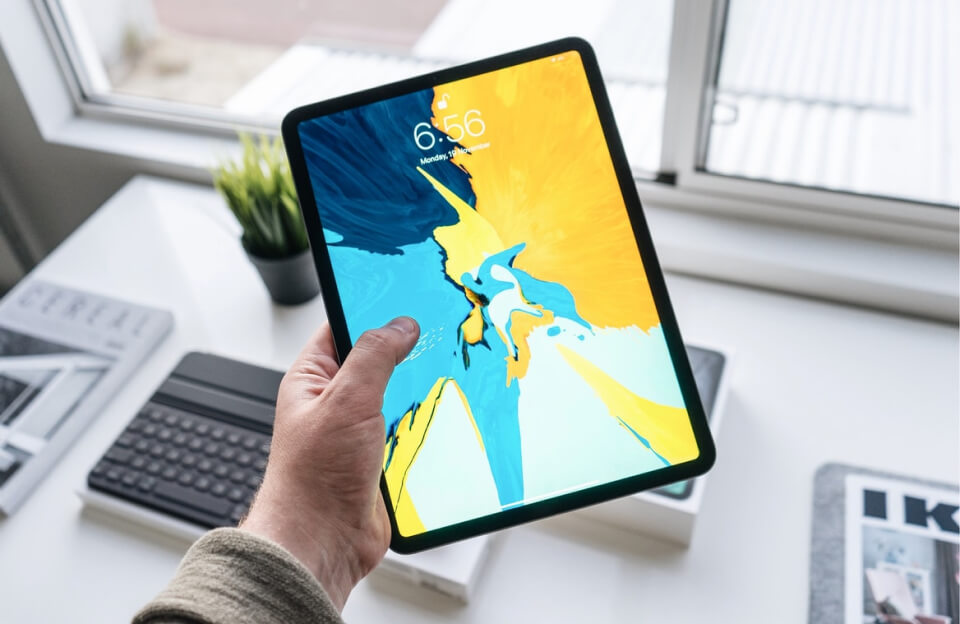
- Affordable Tool Access: Once, professional tools required massive investments (e.g., a darkroom for photography, a printing press for publishing). Now, a powerful tablet (like an iPad Pro with a stylus) or a modestly priced laptop can provide access to high-quality digital painting, writing, and editing software that rivals professional equipment.
- Global Collaboration: Cloud services, shared documents (like Google Docs), and remote communication tools allow creators to collaborate on projects instantly across continents. This leads to cross-pollination of diverse ideas and perspectives that are essential for true innovation.
- Direct Distribution: Platforms like YouTube, TikTok, and Bandcamp allow creators to bypass traditional gatekeepers (studios, publishers, galleries) and distribute their work directly to a global audience, making the act of creation a viable path for more people.
3. Cognitive and Sensory Input
Gadgets change the way we think by serving as external memory and sensory interfaces.
- Externalized Memory: Software and cloud storage act as perfect memory buffers. The creator does not have to worry about forgetting a key reference image, a subtle color hex code, or a draft—it’s all instantly cataloged and searchable. This reduces cognitive load, freeing up working memory for genuine ideation.
- Data as Inspiration: Gadgets can aggregate and visualize vast amounts of data (e.g., market trends, scientific datasets, social media patterns). Analyzing this data provides new constraints and insights that can spark creative solutions in design, marketing, and problem-solving (e.g., creating an app based on a newly visualized data pattern).
- New Forms of Friction: While they remove mechanical friction, some creative gadgets (like specialized physical controllers, editing consoles, or even generative AI tools) introduce a new type of conceptual friction. These tools force the creator to interact with the project in novel, sometimes counter-intuitive ways, which can lead to serendipitous discoveries and completely original outputs.
In essence, the gadget handles the “how-to-do” so the human can focus purely on the “what-if.”