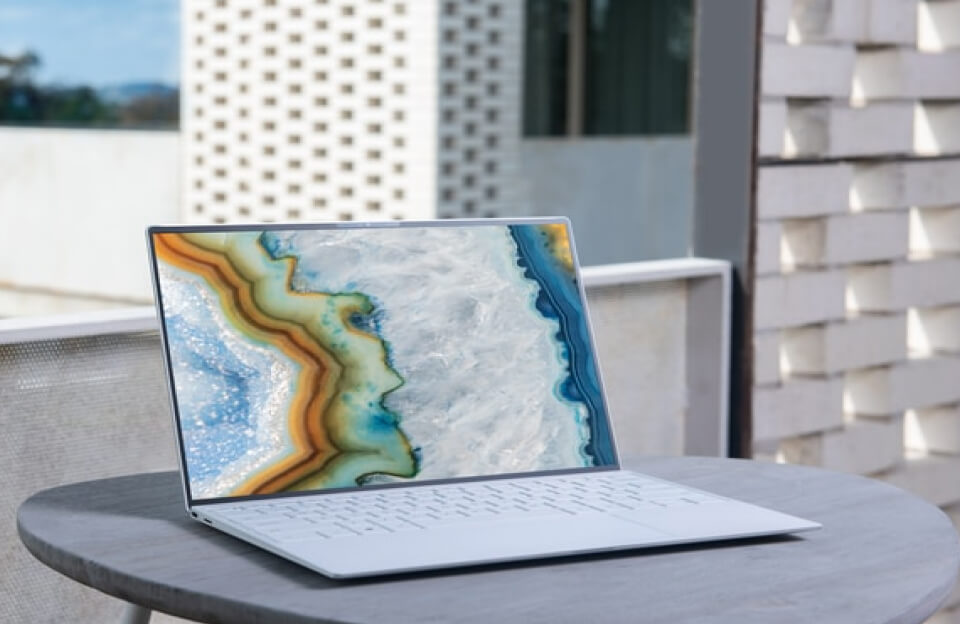
The Dell XPS 13 (model 9310) with the OLED display option, released in 2021, was widely praised and often cited as one of the best premium Windows ultrabooks available at the time. The introduction of the OLED screen was seen as the “cherry on top” of an already excellent design.
Here is a summary of why the Dell XPS 13 2021 with the OLED screen was so highly regarded, along with its key trade-offs:
💎 The Dell XPS 13 2021 (9310): A Premium Experience
The addition of the OLED panel in 2021 elevated the XPS 13’s status, combining its renowned compact design with a visually stunning display technology.
The OLED Advantage
- Stunning Visuals: The 13.4-inch, $3.5K$ (3456 x 2160) OLED touchscreen offered perfect blacks and an infinite contrast ratio, which is impossible for standard LCD screens to achieve. Colors were extremely vibrant, with 100% coverage of both the sRGB and DCI-P3 color gamuts, making it ideal for content consumption and color-critical creative work.
- Immersive Design: Dell maintained its “InfinityEdge” display, keeping the bezels incredibly thin on all four sides. The 16:10 aspect ratio provided more vertical screen real estate than the older 16:9 standard, enhancing productivity.
- Aesthetic and Build: The laptop retained its signature premium materials: a robust CNC-machined aluminum chassis and options for a soft-touch, arctic white woven glass fiber, or a black carbon fiber interior finish. It remained incredibly thin and light, starting at about 2.6 pounds (1.17 kg).
Performance and Core Specs
The 2021 model was powered by Intel’s 11th-generation “Tiger Lake” processors (like the Core i7-1185G7) and featured Intel Iris Xe integrated graphics. It qualified for the Intel Evo platform, which guaranteed certain standards for mobile performance, battery life, and responsiveness.
Key features included:
- Fast RAM and Storage: Typically configured with 16GB of RAM and a 512GB or 1TB NVMe SSD.
- Excellent Input: A surprisingly comfortable keyboard for such a thin laptop, and a precise, multi-touch gesture-enabled touchpad.
- Biometrics: Both an IR camera for Windows Hello facial recognition and a fingerprint sensor integrated into the power button.
📉 The Key Trade-Offs
Despite the praise, the OLED model had two primary drawbacks, which prevented it from being universally proclaimed the “best”:
- Reduced Battery Life: The most significant issue. While OLED is more power-efficient when displaying black or dark colors (like in dark mode), the high resolution and increased power draw when displaying bright content meant the OLED version typically saw several hours less battery life compared to the base Full HD+ LCD model.
- Limited Ports: Following the trend toward thinness, the XPS 13 only offered two Thunderbolt 4 (USB-C) ports and a microSD card slot, requiring users to rely on adapters for older USB-A devices.
In conclusion, the Dell XPS 13 2021 with the OLED display was a stunning blend of premium design, portability, and visual fidelity. It was the laptop of choice for users who prioritized a breathtaking screen and design over maximum battery endurance.
Would you like to compare the Dell XPS 13 (2021) to its main rival at the time, the Apple MacBook Pro with the M1 chip?