Choosing the right operating system for your needs can feel overwhelming. Both platforms have loyal users and unique strengths. Understanding their differences is key to making an informed decision.
One platform excels in seamless ecosystem integration, while the other offers unmatched customization and hardware options. Whether you prioritize performance, display quality, or software compatibility, each system has something to offer.
From gaming to business applications, the choice depends on your specific needs. Reviews and comparisons from trusted sources like PCMag can provide valuable insights. This guide will help you weigh the pros and cons to find the best fit.
Key Takeaways
- Both platforms have evolved with unique features and loyal user bases.
- Consider hardware, performance, and ecosystem integration when deciding.
- One system offers seamless integration, while the other provides extensive customization.
- Gaming, business, and software compatibility are key factors to evaluate.
- Trusted reviews and comparisons can guide your decision-making process.
Setup Experience: Easy Start and Enhanced Processes
Starting with a new system can be smooth and hassle-free. Both platforms offer polished setup processes, ensuring users get up and running quickly. However, subtle differences can impact your experience.

Account Setup and Installation Nuances
Creating an account is the first step. Both systems encourage account creation for a richer experience. Missing this step can result in a loss of syncing and other integrated features.
One platform offers voice-guided installations, making it easier for users with accessibility needs. It also differentiates between personal and business setups, catering to specific user requirements.
Initial Configuration and User Guidance
Initial setup includes system recognition of peripherals and replication of previous computer settings. Both systems share a straightforward approach but differ in their subtle user guidance during first-time use.
Customizing your initial configuration is easy. Users can adjust settings like display preferences, storage options, and app installations right from the start.
| Feature | Platform A | Platform B |
|---|---|---|
| Account Setup | Encouraged for syncing | Optional but recommended |
| Installation | Voice-guided | Text-based |
| Initial Configuration | Peripheral recognition | Settings replication |
Logging In and Getting Started Differences
Security and convenience are at the heart of modern login systems. Both platforms offer advanced biometric options, but their approaches differ significantly. Understanding these differences can help you choose the right operating system for your needs.
Biometric Flexibility and Security Choices
One platform uses facial recognition and fingerprint sensors for secure access. This feature is tied to a system called Windows Hello, which also supports PIN verification for added security. Users appreciate the flexibility, especially on laptop models with built-in sensors.
On the other hand, the alternative platform integrates fingerprint login and device proximity via connected devices like smartwatches. While this offers seamless connectivity, some users report occasional reliability issues with biometric recognition.
Both systems provide enhanced security options, but the choice depends on your hardware and personal preferences. For instance, Windows Hello works well with a wide range of devices, while the other platform excels in its ecosystem integration.
Overall, the login experience is designed to be quick and efficient. Users can access essential software and apps within seconds, making it ideal for both business and personal use. Expert reviews highlight high satisfaction rates with both systems, though individual experiences may vary.
Hardware Options and Device Variety
When it comes to hardware, the options available can significantly shape your experience. Each operating system offers distinct advantages, catering to different user needs and preferences. Whether you prioritize sleek design or extensive customization, understanding these differences is essential.
One platform focuses on delivering a limited yet finely engineered range of devices. These products are known for their premium industrial design and reliability. Reviews often praise their aesthetic appeal and seamless integration with other devices in the same ecosystem.
In contrast, the alternative platform supports a wide array of hardware options. From convertible laptops to custom-built gaming rigs, the variety is unmatched. This flexibility allows users to tailor their systems to specific needs, whether for gaming, business, or creative work.
Diverse Configurations and Upgrade Paths
Upgradeability is another key factor to consider. One system allows component-level customization, such as swapping out the CPU, GPU, or storage. This feature is particularly appealing to users who want to future-proof their computer or enhance its performance over time.
On the other hand, the alternative platform typically offers fixed configurations. While this limits upgrade options, it ensures a streamlined and reliable user experience. Devices like the Surface series showcase the balance between portability and performance, making them a popular choice for professionals.
Ultimately, the decision depends on your specific needs. If you value versatility and customization, one platform may be the better fit. If you prioritize sleek design and ecosystem integration, the alternative could be the ideal option.
Included Apps and Software Integration
Both platforms come packed with built-in apps designed to enhance productivity and creativity. These native utilities ensure users have essential tools right out of the box, from mail clients to calendars and productivity suites.
Native Utilities and Exclusive Software
One platform shines with exclusive apps like iMovie and GarageBand, ideal for creative professionals. These tools are seamlessly integrated into the ecosystem, offering a smooth user experience. Reviews often highlight their reliability and ease of use.
On the other hand, the alternative platform includes dedicated tools like Sticky Notes and Xbox integration. These apps cater to both casual users and gamers, providing versatile functionality. The Teams Chat app is another standout, enhancing communication for business users.
Cross-Platform App Availability
Both ecosystems support a wide range of cross-platform applications available through their respective app stores. This flexibility ensures users can access their favorite apps, regardless of the system they choose.
One platform excels in tight software integration, offering a cohesive experience across devices. The alternative provides greater flexibility, supporting third-party applications with ease. This difference is a key factor for users prioritizing customization.
Overall, the native apps enhance performance and streamline daily tasks. Whether you’re editing a video or managing emails, these tools are designed to meet your needs. Expert reviews consistently praise the reliability and functionality of both platforms.
Third-Party Software Compatibility Considerations
Third-party software compatibility is a critical factor for many users. Whether you’re running legacy applications or specialized tools, the operating system you choose can significantly impact your workflow. Understanding how each platform handles these needs is essential for making the right choice.
Legacy Application Support
One platform excels in maintaining compatibility with older software. This is particularly beneficial for business users who rely on specialized applications. Reviews highlight the ease of installing and running legacy programs, ensuring continuity in workflows.
In contrast, the alternative platform may phase out older apps with system updates. While this approach streamlines the software environment, it can pose challenges for users dependent on specific tools. For creative professionals, this trade-off is often outweighed by the platform’s strengths in modern applications.
Customization for Business and Creative Needs
Customization is another key consideration. One system offers extensive options for tailoring the operating system to specific needs. This flexibility is ideal for businesses with unique workflows or hardware requirements.
The alternative platform focuses on a streamlined experience, with fewer customization options but enhanced reliability. This approach is well-suited for creative professionals who prioritize performance and seamless integration with other devices.
| Feature | Platform A | Platform B |
|---|---|---|
| Legacy Support | Strong compatibility with older software | May phase out older apps with updates |
| Customization | Extensive options for tailored workflows | Streamlined experience with fewer options |
| Software Updates | Focuses on backward compatibility | Prioritizes modern app integration |
Ultimately, the decision depends on your specific needs. If you require robust legacy support and customization, one platform may be the better fit. If you prioritize a streamlined experience and modern software integration, the alternative could be the ideal option.
Interface Customization and Desktop Management
Customizing your desktop interface can transform how you interact with your computer. Both platforms offer tools to arrange windows and personalize your workspace, enhancing productivity and comfort.
Window Arrangement Tools
One platform introduces Snap Layouts, allowing users to organize multiple windows with ease. This feature is ideal for multitasking, especially on larger displays. Users can quickly snap windows into predefined layouts, optimizing screen real estate.
On the other hand, the alternative platform uses Stage Manager to group related apps and windows. While it offers a different approach, some users find it less intuitive compared to traditional window splitting. Both systems support multiple virtual desktops, enabling users to separate work and personal tasks effectively.
User Interface Personalization
Personalizing your desktop goes beyond arranging windows. Both platforms allow users to customize icons, taskbars, and wallpapers. One system offers more flexibility in adjusting the taskbar, while the other focuses on a streamlined design.
Gesture-based controls are another highlight. Users can switch between apps or desktops with simple swipes, enhancing the overall experience. Reviews often praise the intuitive design of these features, which contribute to better workspace management.
- Snap Layouts provide flexible window management for multitasking.
- Stage Manager groups related apps but may feel less intuitive.
- Customize icons, taskbars, and wallpapers to reflect your style.
- Gesture-based controls make navigation seamless and efficient.
- Multiple virtual desktops help separate work and personal tasks.
Ultimately, the choice depends on your workflow and preferences. Whether you prioritize flexibility or a streamlined design, both platforms offer tools to enhance your desktop experience.
Finder vs. File Explorer and Taskbar Differences
Efficient file management is a cornerstone of any operating system, shaping how users interact with their devices. Both Finder and File Explorer provide essential tools for navigating files, but their approaches differ significantly. Understanding these differences can help you choose the right system for your needs.
File Navigation Efficiency
File Explorer offers a straightforward tabbed interface, making it easy to switch between folders. Its intuitive folder tree structure simplifies navigation, especially for users managing large amounts of storage. Reviews highlight its efficiency in locating files quickly, which is ideal for business workflows.
Finder, on the other hand, focuses on a clean and minimalistic design. While it lacks tabbed navigation, it excels in file previews and integration with other apps. Some users appreciate its seamless experience, though others find it less intuitive for complex folder hierarchies.
Taskbar Versus Dock Usability
The Taskbar in Windows provides thumbnail previews and jump lists, enhancing multitasking capabilities. This feature is particularly useful for users who frequently switch between apps or windows. Its customization options allow users to tailor their workspace for improved performance.
In contrast, the macOS Dock offers a sleek and streamlined experience. While it lacks thumbnail previews, it integrates well with other devices in the ecosystem. Users often praise its simplicity, though some find it less versatile compared to the Taskbar.
| Feature | Finder | File Explorer |
|---|---|---|
| Navigation | Clean design, file previews | Tabbed interface, folder tree |
| Customization | Limited options | Extensive taskbar settings |
| Integration | Seamless with ecosystem | Supports third-party apps |
Ultimately, the choice between Finder and File Explorer depends on your workflow preferences. If you prioritize efficiency and customization, File Explorer may be the better fit. If you value a clean design and ecosystem integration, Finder could be the ideal option.
Widgets and Alternative Input Options
Widgets and alternative input methods are transforming how users interact with their devices. Both platforms offer unique ways to enhance productivity and streamline workflows. From customizable widgets to advanced input options, these features cater to diverse user needs.
Widget Customization and Placement
Widgets provide quick access to essential information without opening apps. One platform allows users to place widgets directly on the desktop, offering a seamless experience. Users can customize the size, layout, and content of these widgets to suit their preferences.
The alternative platform integrates widgets into a dedicated panel. While this keeps the desktop clean, it may require an extra step to access. Both systems support interactive widgets, enabling users to perform tasks like checking the weather or managing calendars directly from the widget.
Touch, Pen, and Voice Input Functionality
Alternative input methods like touch, pen, and voice are becoming increasingly popular. One platform excels in stylus input, making it ideal for graphic design and business tasks. Reviews highlight its precision and ease of use, especially on laptop models with touchscreens.
Voice dictation is another standout feature. Both platforms offer robust voice input capabilities, allowing users to dictate text or control their devices hands-free. This is particularly useful for multitasking or accessibility needs.
Touch input is widely supported across both systems, though one platform offers more advanced gestures. These gestures enhance navigation and improve the overall user experience, especially on larger displays.
Ultimately, the choice depends on your workflow and preferences. Whether you prioritize widget customization or advanced input methods, both platforms provide tools to enhance your daily productivity.
AI and Smart Assistance: Copilot vs. Siri Evolution
Artificial intelligence is reshaping how we interact with technology, making daily tasks more efficient and intuitive. Two leading operating systems are at the forefront of this evolution: Microsoft’s Copilot and Apple’s Siri. Both are designed to enhance productivity, but their approaches and features differ significantly.
Enhanced AI Integration in Daily Tasks
Microsoft’s Copilot has evolved into a standalone app, integrating advanced tools like ChatGPT 4 and DALL-E 3. This allows users to generate text and images seamlessly, making it a powerful option for creative and business tasks. “Copilot has transformed how I manage my workflow,” says one user. “It’s like having a personal assistant for everything.”
On the other hand, Apple’s Siri is enhancing its capabilities with Apple Intelligence. This upgrade focuses on better system control and cross-device integration. For instance, Siri can now manage smart home devices more efficiently, offering a streamlined experience for users deeply embedded in the Apple ecosystem.
Both AI assistants are designed to simplify complex tasks. Copilot excels in text and image generation, while Siri shines in system management and smart home integration. The choice between them depends on your specific needs and the hardware you use.
User reviews highlight high satisfaction with both systems. Copilot is praised for its versatility, especially on laptop and computer models. Siri, meanwhile, is lauded for its seamless integration with other Apple devices, making it a favorite for users who prioritize ecosystem synergy.
As AI continues to evolve, these assistants are becoming smarter and more context-aware. Whether you’re managing business tasks or creating video content, these tools are designed to enhance your productivity and simplify your daily routine.
Mobile Device Integration: Ecosystem Synergy
The way devices connect and work together can redefine your daily workflow. Whether you’re managing business tasks or personal projects, seamless integration between your computer and mobile devices is essential. Both platforms offer unique tools to enhance this connectivity, but their approaches differ significantly.
Seamless Connectivity Across Devices
Apple’s ecosystem is renowned for its tight integration. Features like AirDrop and iPhone mirroring make it easy to share files and extend your display across devices. The Apple Watch unlock feature adds an extra layer of convenience, allowing you to access your system without typing a password.
Windows, on the other hand, relies on tools like the Phone Link app. This app supports cross-device connectivity for texts and notifications, though some users note differences in fluidity compared to Apple’s ecosystem. Despite this, it remains a solid option for those invested in the Windows system.
Both platforms continue to evolve their mobile integration features to maintain a competitive edge. For business users, this connectivity is crucial for enhancing productivity and streamlining workflows. Reviews often highlight the simplicity of connecting various devices, making it a key factor in choosing the right operating system.
Ultimately, the choice depends on your specific needs. If you value a tightly integrated ecosystem, Apple’s design may be the better fit. If you prefer flexibility and broader hardware support, Windows offers a versatile option.
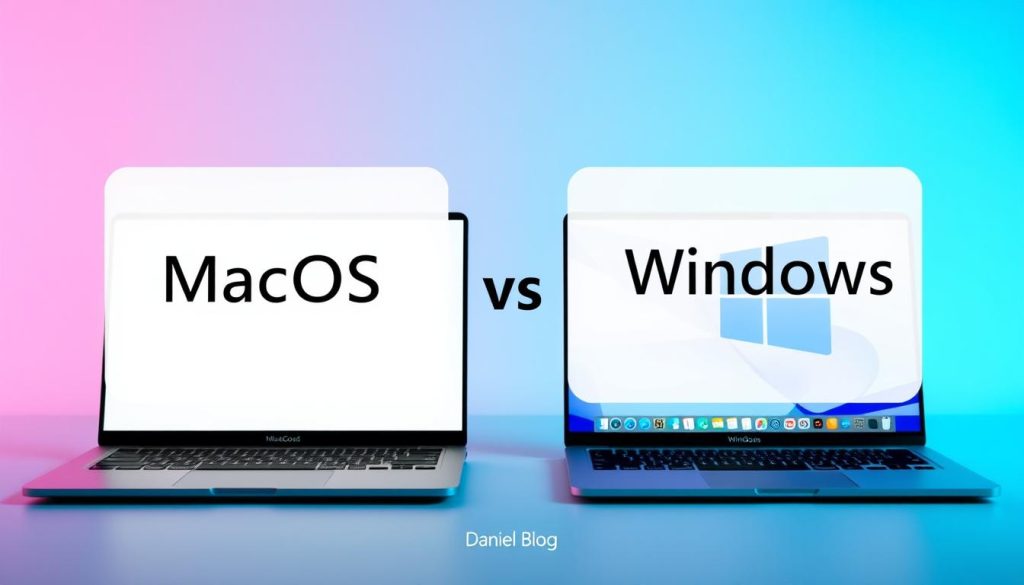
MacOS Windows 2025 what to choose: Performance and Gaming Showdown
Performance and gaming capabilities are key factors when deciding between two leading operating systems. Each system excels in different areas, making it essential to understand their strengths and weaknesses. Whether you’re a creative professional or a gamer, the right choice depends on your specific needs.
Processing Power and Graphics Capabilities
Apple’s M-series chips are known for their power efficiency and exceptional performance in creative tasks. These chips deliver smooth operation for video editing, graphic design, and other demanding applications. Reviews often praise their stability and energy efficiency, making them ideal for professionals on the go.
In contrast, Windows systems offer flexibility with Intel and AMD processors. This allows users to upgrade components like the CPU and GPU, enhancing performance over time. Gamers and power users appreciate this customization, as it ensures their hardware stays up-to-date with the latest demands.
Gaming Support and Customization
Windows is the preferred system for gaming, thanks to its extensive support for high-end games and dedicated platforms. Gamers can fine-tune graphics settings and optimize performance for the best experience. This flexibility is a major advantage for those who prioritize gaming on their laptop or computer.
While macOS has made strides in gaming, it still lags behind in terms of software compatibility and customization. However, its stability and seamless integration with other Apple devices make it a strong option for creative professionals who occasionally game.
User feedback often highlights the differences in energy efficiency and battery life. MacBooks are praised for their long-lasting performance, while Windows PCs cater to gamers with high-performance hardware. Ultimately, the choice depends on your priorities—whether it’s gaming, creative work, or a balance of both.
Conclusion
Deciding on the best platform for your needs can feel overwhelming, but understanding the differences makes it easier. Each system offers unique strengths, whether it’s seamless ecosystem integration or unmatched hardware flexibility. Your choice depends on personal and professional priorities, such as gaming, creative work, or business demands.
One platform excels in performance and design, making it ideal for creative professionals. The other provides extensive customization and support for high-end software, catering to gamers and power users. Both have their pros and cons, so it’s essential to weigh your needs carefully.
Consider factors like device integration, upgradeability, and overall performance when making your decision. This comparison is based on expert reviews and insights, ensuring you have the information needed to make an informed choice.
Thank you for exploring this detailed comparison. We hope it helps you find the perfect fit for your workflow. Share your experiences and let us know which platform works best for you!
FAQ
How does the setup experience differ between MacOS and Windows in 2025?
The setup process for both systems is streamlined, but MacOS emphasizes a seamless integration with Apple’s ecosystem, while Windows offers more flexibility for hardware configurations and user preferences.
What are the key differences in logging in and security features?
MacOS provides biometric options like Face ID and Touch ID for secure access, while Windows supports facial recognition, fingerprint scanning, and PINs, giving users multiple security choices.
Which platform offers better hardware variety and upgrade options?
Windows PCs come in a wide range of models and configurations, making it easier to find a device that fits specific needs. MacOS, on the other hand, is limited to Apple’s hardware but ensures optimized performance.
How do the included apps and software integration compare?
MacOS includes native utilities like iMovie and GarageBand, while Windows offers apps like Paint 3D and Clipchamp. Both platforms support cross-platform apps, but MacOS excels in exclusive software integration.
Is third-party software compatibility better on MacOS or Windows?
Windows has broader support for legacy applications and business software, while MacOS is favored for creative tools and seamless integration with Apple’s ecosystem.
Can I customize the interface on both platforms?
Yes, both MacOS and Windows allow interface customization. Windows offers more flexibility with window arrangement tools, while MacOS focuses on a clean, intuitive design.
How do file navigation systems differ between the two?
MacOS uses Finder, known for its simplicity, while Windows relies on File Explorer, which provides advanced features and better organization for power users.
Are widgets and alternative input options available on both platforms?
Both systems support widgets, but Windows allows more customization and placement options. Additionally, Windows offers touch, pen, and voice input, while MacOS focuses on touchpad and voice commands.
How do AI assistants like Copilot and Siri compare?
Windows’ Copilot is designed for productivity and integrates deeply with Microsoft’s ecosystem, while Siri on MacOS excels in personal tasks and smart home integration.
Which platform offers better mobile device integration?
MacOS seamlessly connects with iPhones and iPads, while Windows provides broader compatibility with Android devices and other platforms.
How do MacOS and Windows perform in gaming and graphics?
Windows is the preferred choice for gaming due to its extensive GPU support and customization options. MacOS, while improving, still lags behind in gaming performance.